
How to Manage Back Pain at Work
Simple, practical ways to reduce strain and move more comfortably through your workday.
Read article →How work design can support comfort, productivity and injury prevention.
 Corporate Wellness
Ergonomics is the practical process of fitting work to people. It looks beyond the chair or desk and considers the task, tools, environment, workload and way the job is organised. The goal is to create work that can be performed comfortably, safely and efficiently by the people doing it.
A workstation assessment should reflect the individual and the work being completed. Screen height, keyboard position, seating, lighting and the location of frequently used items can all affect comfort. Adjustments should make it easier to move and work naturally rather than forcing the body into one fixed posture.
Movement variety matters in both office and physical roles. Long periods of static work, repeated reaching or lifting, and tasks performed at an unsuitable height can become tiring over time. Alternating tasks, planning sensible recovery periods and allowing workers to change position can reduce unnecessary strain.
Ergonomics is most effective when employees are involved. Workers understand the practical demands and obstacles in their roles, while managers can help address equipment, workflow and scheduling. A solution that looks ideal on paper will not help if it is difficult to use during a normal working day.
Early attention to discomfort can prevent a manageable concern from becoming a larger barrier to work. Employees should feel able to report symptoms, request reasonable adjustments and seek professional advice. Physiotherapy can help identify the relationship between a person's symptoms, capacity and work demands.
A strong workplace programme combines assessment with education, movement and ongoing review. As roles, teams and equipment change, the working environment may need to change too. The result is not only better comfort, but a workplace culture that values health, participation and sustainable performance.
Article information is general and cannot replace an individual clinical assessment.
Book an Appointment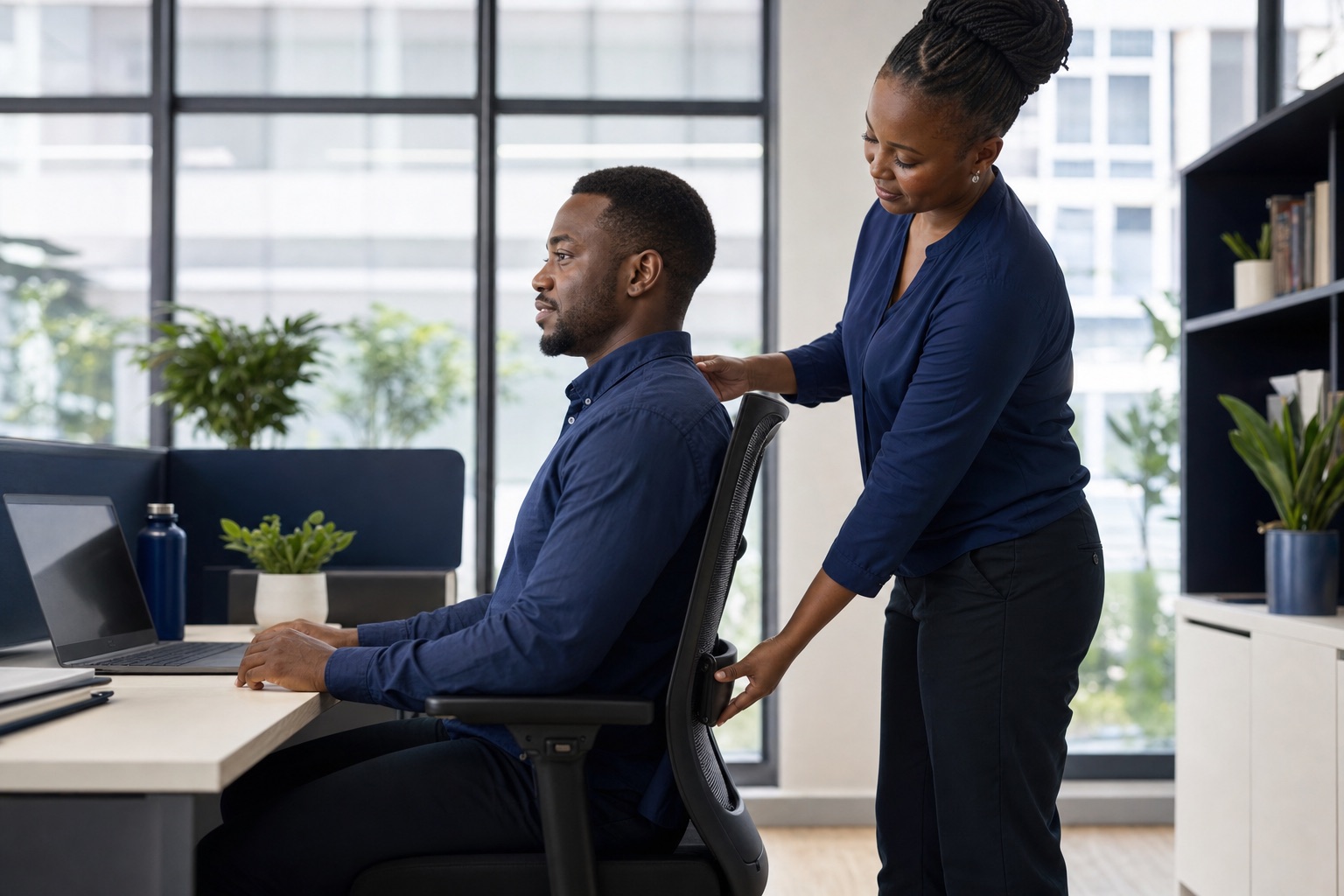 Workplace Health
Simple, practical ways to reduce strain and move more comfortably through your workday.
Read article →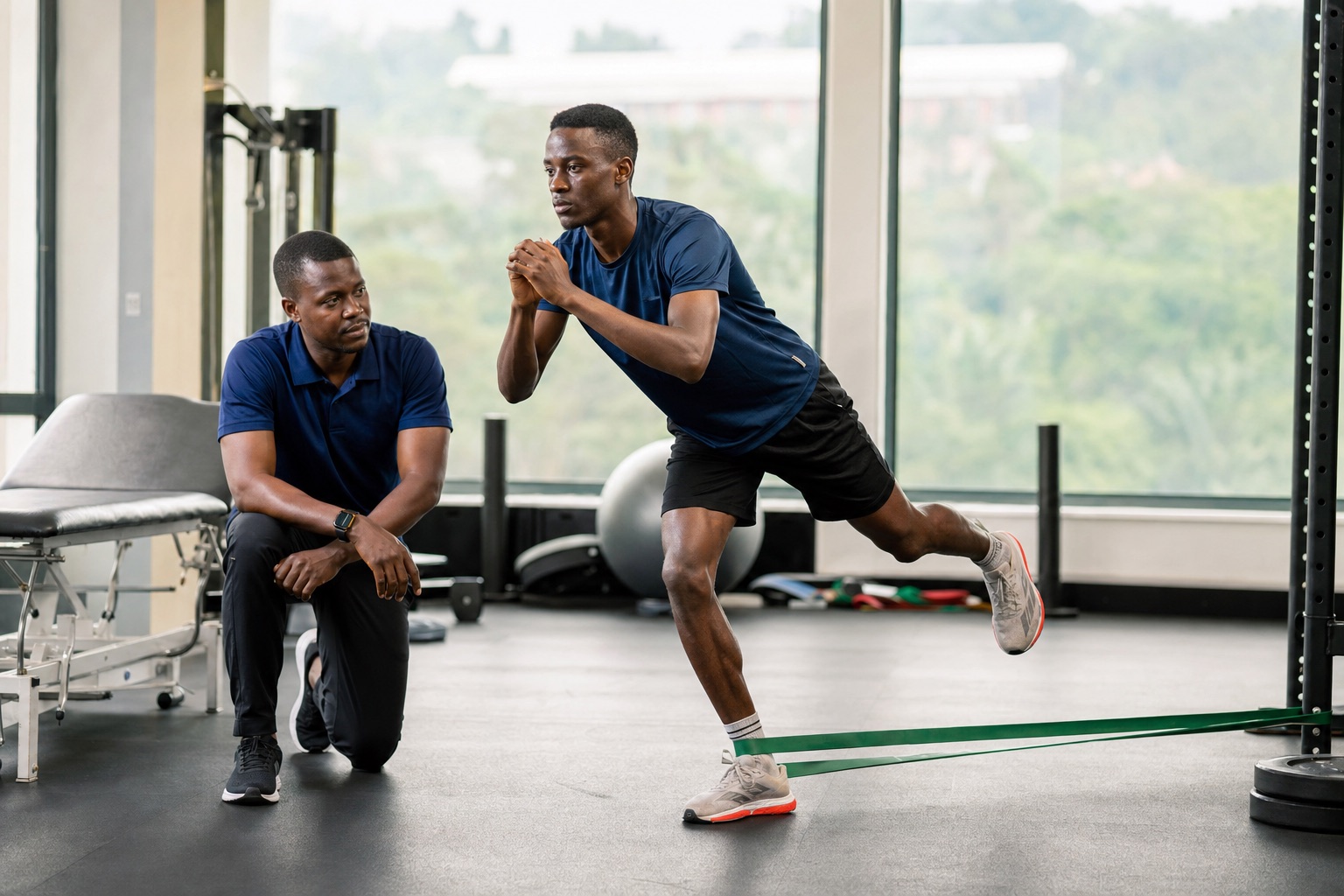 Sports
Why a measured return-to-sport plan matters for confidence, capacity and performance.
Read article → Patient Guide
A clear guide to symptoms, movement problems and recovery concerns that deserve attention.
Read article →