
How to Manage Back Pain at Work
Simple, practical ways to reduce strain and move more comfortably through your workday.
Read article →What a progressive return looks like and why testing readiness matters.
 Performance
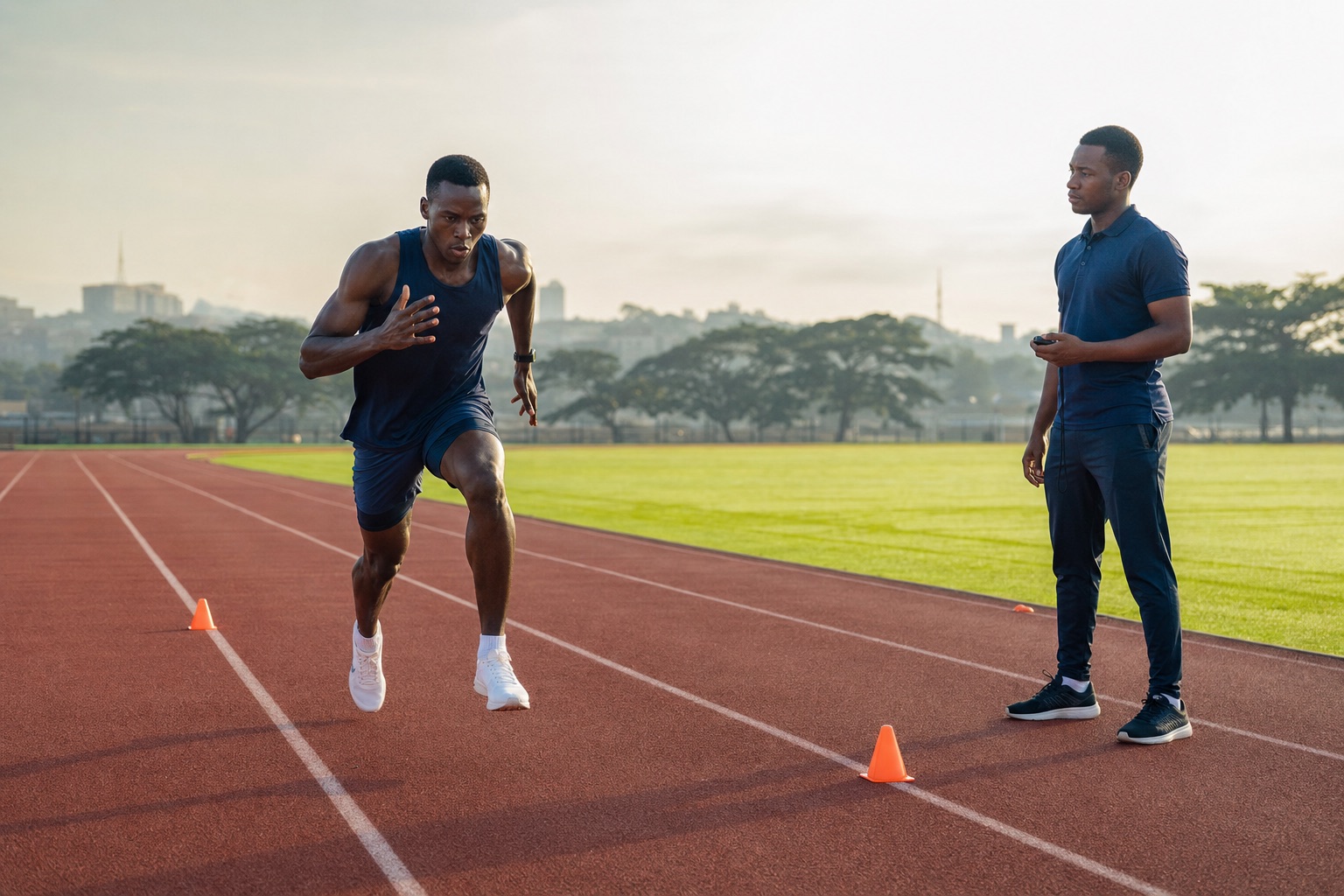
Returning to sport is not a single moment at the end of rehabilitation. It is a progression that begins when an athlete starts rebuilding movement and continues through modified training, full training and confident participation. Each stage gives useful information about how the body responds to greater demand.
The early foundation usually includes comfortable movement, strength and control. From there, rehabilitation should rebuild the qualities required by the athlete's activity, such as endurance, speed, power, balance or repeated effort. The programme should reflect the position, event and level of competition rather than use the same plan for every athlete.
Training load needs to increase gradually. A movement that feels comfortable once may still be difficult when it is repeated, performed quickly or completed under fatigue. Monitoring symptoms during the session and over the following day helps the physiotherapist decide whether to maintain, progress or modify the programme.
Sport-specific testing can reveal gaps that are not obvious during basic exercise. Running, landing, changing direction, jumping or contact preparation may be assessed according to the sport. Test results are most useful when combined with clinical findings and the athlete's actual response to training.
Psychological readiness matters as well. Fear of another injury can change how an athlete moves and makes decisions, even when physical measures have improved. Gradual exposure to challenging tasks and honest discussion about confidence can support a more complete return.
The final decision should be shared and individual. Symptoms, function, training response, testing, confidence and the risks of the sport all contribute to readiness. A careful return may take patience, but it gives the athlete a stronger foundation for performance and continued participation.
Article information is general and cannot replace an individual clinical assessment.
Book an Appointment Workplace Health
Simple, practical ways to reduce strain and move more comfortably through your workday.
Read article →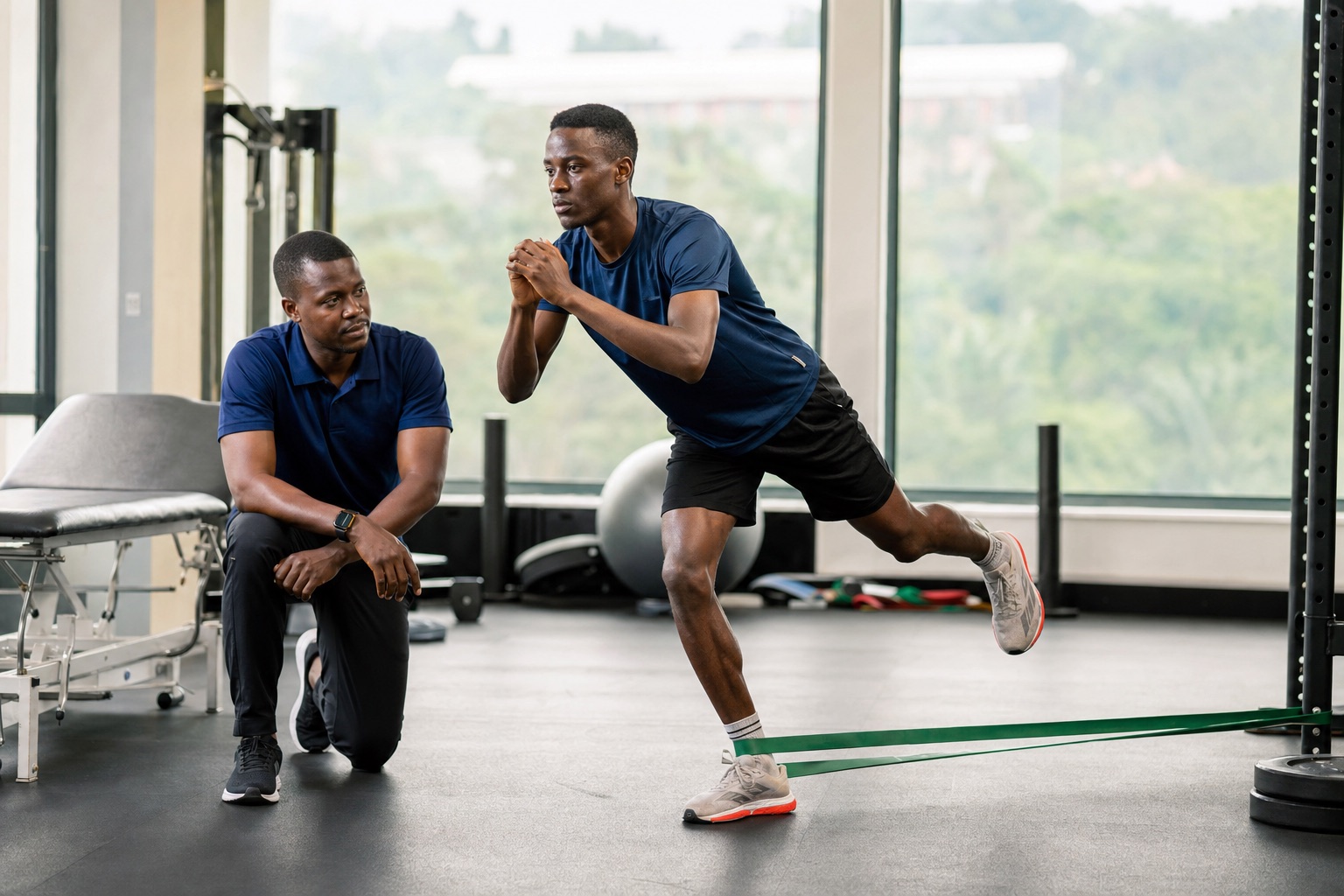 Sports
Why a measured return-to-sport plan matters for confidence, capacity and performance.
Read article → Patient Guide
A clear guide to symptoms, movement problems and recovery concerns that deserve attention.
Read article →